
Black tea
$11.90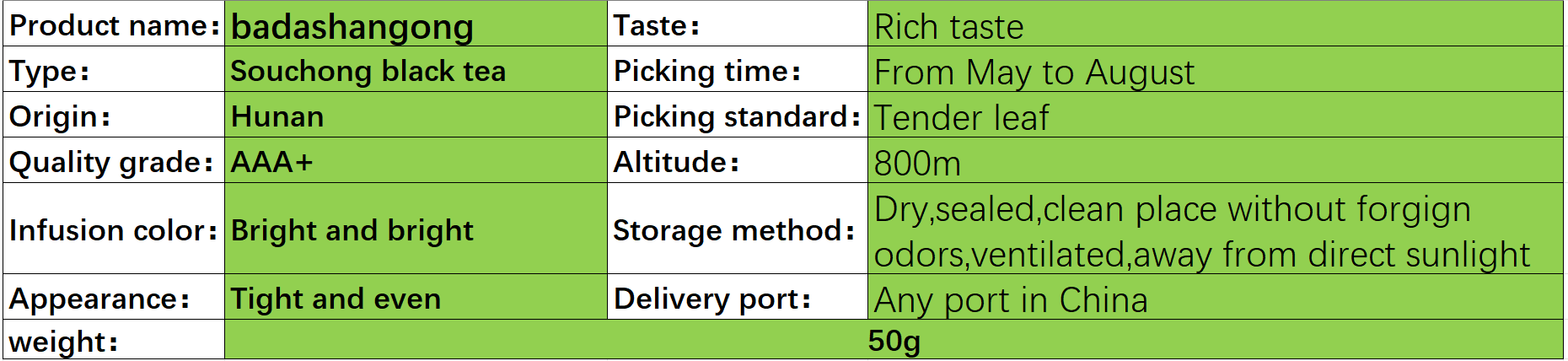
In the mystical and beautiful Xiangxi region, clouds and mist envelop the towering mountains, and clear streams flow gently through secluded valleys. The Xiangxi black tea, born from this land of great beauty, is a perfect fusion of nature’s gifts and exquisite craftsmanship.
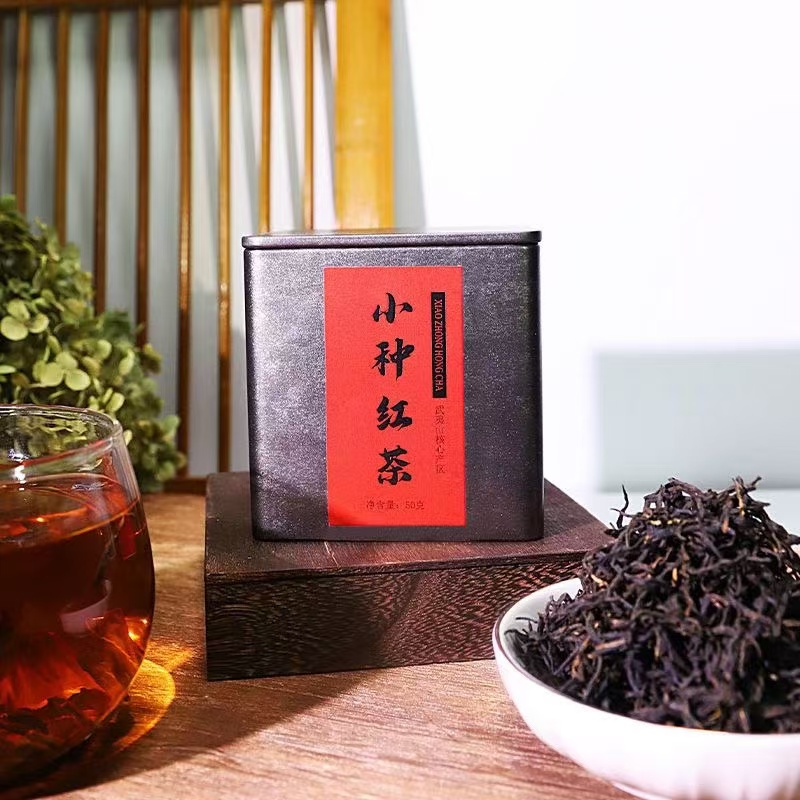
The process of making Xiangxi black tea is meticulous, involving several steps such as picking, withering, rolling, fermenting, and drying. Tea farmers carefully pick tender buds and leaves, then allow them to wither naturally in a suitable temperature and humidity, losing excess water and gradually softening the leaves. Experienced tea makers roll the leaves with just the right amount of force, causing the tea cell walls to break moderately, allowing tea juice to seep out, preparing for the subsequent fermentation. During the fermentation process, the tea undergoes a magical transformation under the guardianship of time and craftsmen, with polyphenols oxidizing to form unique color, aroma, and taste. Finally, through drying, the tea’s essence and quality are locked in.
The tea leaves of Xiangxi black tea are tightly rolled and have a dark, shiny appearance. The buds and leaves are thick and intact. Each leaf seems to have absorbed the grand and elegant spirit of Xiangxi’s mountains and waters, as well as the deep affection of nature’s generous gifts.
When brewing, the hot water and tea leaves intertwine, and in an instant, the fragrance fills the air. The scent carries the floral and fruity fragrance of the forests and mountains of Xiangxi, as well as a hint of the ancient, woody fragrance, as if it could lead one into a quiet ancient forest in Xiangxi, leaving one enchanted.
Take a sip of the tea, and you’ll find its taste rich, smooth, and harmonious. At first, the strong tea flavor spreads on your tongue, followed by a sweet and honey-like taste that gradually emerges. The aftertaste is long-lasting and lingering, as if telling the ancient and moving stories of Xiangxi.
Xiangxi Black Tea is not only a drink, but also a condensation of the scenery and culture of Xiangxi. It is the essence of the years of accumulation of local customs and ethnic sentiments. It carries the regional culture and ethnic sentiments of Xiangxi, allowing every tea drinker to appreciate the unique charm of Xiangxi in the fragrance of tea and feel the warmth and simplicity from the depths of the mountains.
Dried lily bulbs
$23.90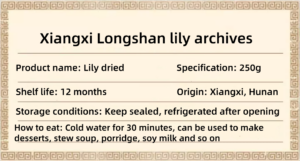
Exploring the Lilium lancifolium of Longshan, Xiangxi: The “King of Lilies” Bestowed by Heaven
In the mysterious and beautiful land of Xiangxi, Longshan is like a pearl lost in the world, giving birth to a unique treasure – the Lilium lancifolium.
Lilium lancifolium is not only a precious flower but also a rare and valuable medicinal herb. It is slightly cold in nature and sweet in taste, and it belongs to the heart and lung meridians. It has the effect of moistening the lungs and stopping coughs, and can relieve coughs caused by lung dryness and hemoptysis due to chronic cough. It also has the function of clearing the heart and calming the mind, and can soothe restlessness, palpitations, insomnia and excessive dreaming, thus safeguarding people’s health.
The Longshan Trumpet Lily stands tall and graceful. Its leaves are long and lush, stretching out like resolute spears, their emerald green color so vivid as if they were masterpieces meticulously crafted by nature, adding a vibrant vitality to the plant. And its flowers are simply captivating. The petals are a fiery red, curling freely, with purple-black spots dotting them like twinkling stars in the deep night sky, mysterious and alluring. The tips of the petals slightly curl upwards, resembling dancing flames or the brilliant sunset clouds falling to the earth. Each petal exudes a wild and passionate beauty that leaves one spellbound.
When a gentle breeze passes by, the delicate fragrance of the lily of the valley will slowly spread. This scent is not as sweet and cloying as that of ordinary lilies, but rather carries a unique freshness and tranquility of the mountains, mingled with the earthiness of the soil and the clarity of the morning dew. It refreshes the heart and soul, instantly dispelling the weariness and annoyance in one’s mind, making one feel as if they were in the green mountains and clear waters of western Hunan, experiencing the distant and pure beauty of nature.
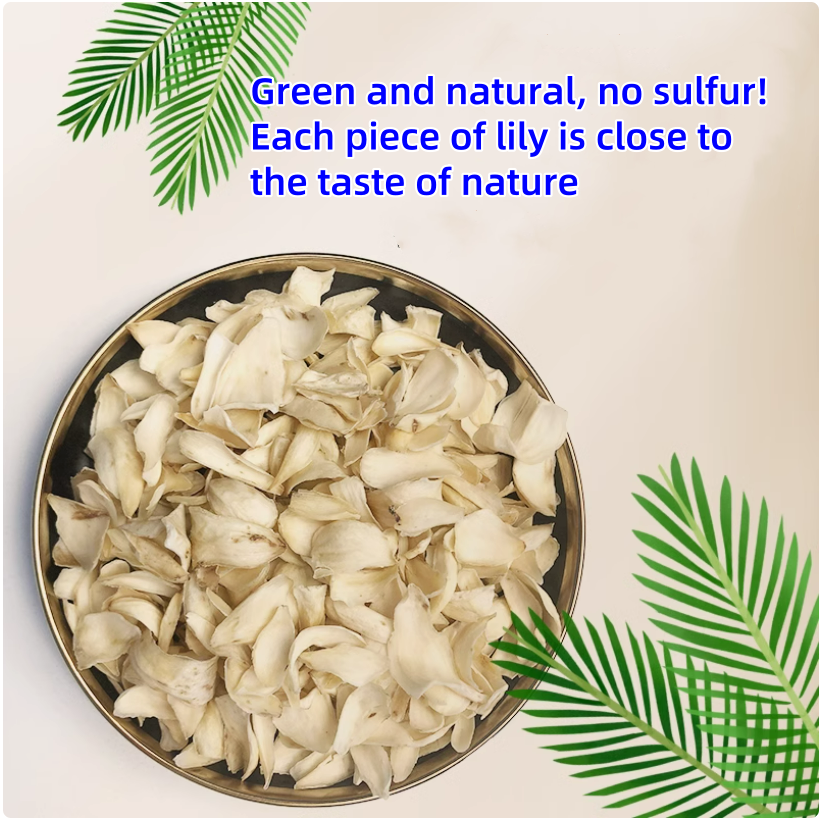
In daily life, Lilium lancifolium also has many practical uses. Boiling its fresh product into porridge can offer a sweet and nourishing breakfast for the family in the morning. The softness of the lily and the richness of the rice porridge complement each other well, which can not only moisten the lungs and nourish the stomach but also start a full-of-vitality day. The dried petals of Lilium lancifolium can be used to make tea. When boiled in hot water, the floral fragrance is slowly released. In a busy afternoon, taking a sip can calm the mind and relieve the pressure and anxiety of work. And cooking soup with Lilium lancifolium is a delicious dish on the dinner table. Boiling it together with ribs, lotus seeds and other ingredients makes the soup rich in nutrition and delicious in taste, contributing to the health of the whole family.
The lily of the valley, like a dream naturally scattered in Longshan, Xiangxi, has painted a brilliant picture on the scroll of time. It condenses the charming landscape of the mountains and rivers into its flower stamens and weaves the simple local customs into its texture, becoming a bright spot in the soul of the Xiangxi land. In the smiles of the Miao girls and the songs of the Tujia brothers, it blooms and withers year after year, continuing the life’s melody of this land, quietly awaiting the discerning to lift the veil of time and explore its hidden charm, to write a beautiful chapter of the interweaving of man and nature.

Fermented bean curd
$16.90
In the long river of the Chinese land, as a traditional Chinese food inherited for thousands of years, mouldy tofu is like a hidden rare treasure, quietly emitting a quiet light. It is deeply rooted in the ancient food culture soil of the Chinese nation, is a legendary chapter composed by soybeans and microorganisms, and is a beautiful art work carved by time and ingenuity.
Looking back in history, as early as thousands of years ago, the intelligent ancestors of China mastered the skill of converting soybeans into tofu in the practice and exploration of life, and further discovered the unique charm of tofu fermentation, which resulted in the emergence of moldy tofu. The selection of high-quality soybeans with full particles goes through a series of fine processes such as foaming, grinding, filtration, boiling, and halogen. Each step embodies the wisdom and experience of our ancestors, and becomes the square tofu that looks like condensate and white and flawless. Then, we enter the magical and unpredictable fermentation journey, in the precisely regulated temperature and humidity environment, specific molds like fairies, lightly fall on the tofu, and mycelium like a fine silver yarn, gently and closely wrapped the tofu, like a magical cocoon that gives second life. Soon, the surface of the tofu will be stained with a unique color, or white as frost and snow, or slightly through the pink shame, just like the earth covered by the first snow in winter, and like the pink cherry under the dawn, the dots and red spots are scattered, adding a bit of fun and mystery.
This unique Oriental food treasure is not only unique in taste and flavor, but also contains rich nutritional value. Mildew tofu is based on soybeans and retains the high-quality protein in soybeans. After fermentation, the protein is decomposed into amino acids that are more easily absorbed by the human body, and its content and variety are increased, providing a rich nutritional supply for the human body. At the same time, it is also rich in B vitamins, which play an important role in maintaining the normal function of the human nervous system and promoting metabolism. In addition, the minerals in tofu such as calcium, iron, zinc and other elements can not be underestimated, calcium helps bone health, iron can prevent iron deficiency anemia, zinc has a positive impact on human growth and development and immune function.
The variety of eating methods of mildew tofu is just like the pluralistic tolerance of the Chinese national food culture. At breakfast, it can be smeared on the freshly baked steamed bread slices, the delicate and dense mildew tofu and soft steamed bread blend with each other, salty and fragrant in the mouth, open the vitality of the day, this simple match, is a common warm picture on the table of countless Chinese families. Can also be paired with rice porridge, a spoonful of mildew tofu entrance, salty and light porridge perfect neutralization, each bite is the taste of years precipitation, carrying the warmth and peace of home. At dinner, roast meat with moldy tofu is a must-have dish. This dish is often seen at traditional Chinese banquets. The salty flavor of moldy tofu seeped into the tender pieces of meat, and the flavor of meat and beans were intertwined, which is a classic Chinese delicious combination. If you like vegetarian food, stir-fry moldy tofu with green vegetables. The freshness of green vegetables and the mellow of moldy tofu set off each other, refreshing and delicious without losing the rich taste, reflecting the harmony of Chinese food ingredients.
In the exhausting whirlpool of fast-paced modern life, mildew tofu is like a gentle harbor of the soul, giving people emotional comfort and nourishment. When you are lost in the hustle and bustle of the world, breathing under the pressure, gently open a can of mold tofu, the rich and mellow aroma, such as the warm embrace of friends, to disperse the haze. Delicate taste on the tip of the tongue, like the touch of time, salty and delicious interwoven taste, telling the long story of the years, healing the tired soul. It makes you recall the warmth of the childhood table, the warmth of the hometown fireworks, and regain the true love and attachment to life, just like finding an oasis in the desert of the soul, rekindling the yearning and expectation of a good time.
This food, which embodies Chinese wisdom and customs, now crosses national borders and shines on the world food stage. Many foreign friends were deeply fascinated by moldy tofu after they encountered it. Those food explorers from the West may be curious and confused at first, but when the first mouthful of moldy tofu spreads the taste on the tip of the tongue, the rich taste and rich flavor is like magic, breaking their inherent knowledge of food. In the international food exchange event, the booth of mold tofu is often crowded with food lovers of different skin colors and different languages. After tasting it, they give a thumbs-up and praise it in their less skilled Chinese or their native languages, marveling at the profound and charming taste that this small piece of tofu can contain. Some even regard it as a precious key to explore the mystery of Oriental food culture, and actively introduce mold tofu to friends around them, so that the upsurge of “Oriental cheese” quietly rises in foreign countries.
Gently open a pot of moldy tofu, let the unique charm conquer the soul, through the taste of time, enjoy the deep connotation and endless customs of traditional Chinese food, and regain the hot initial heart and awe of food and life.
Golden camellia
$32.90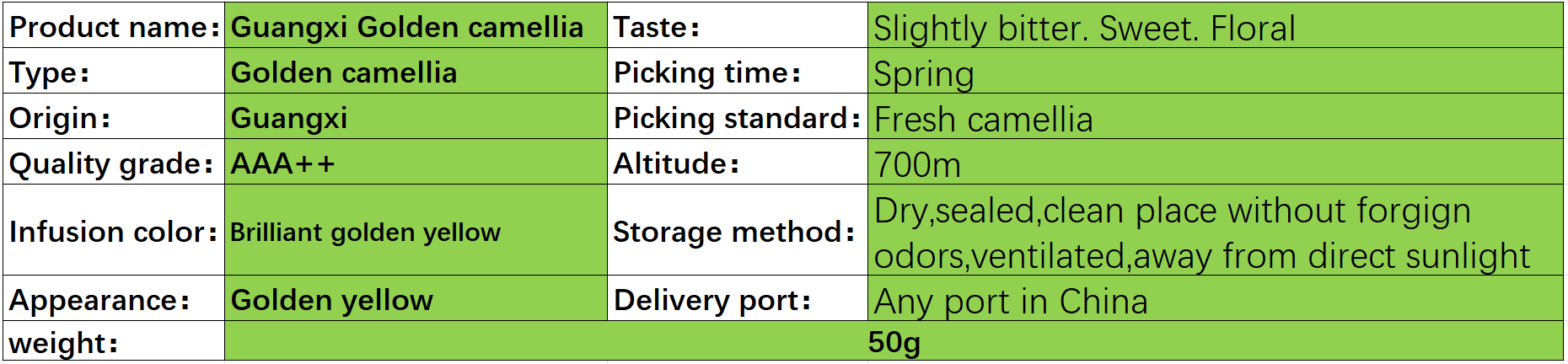
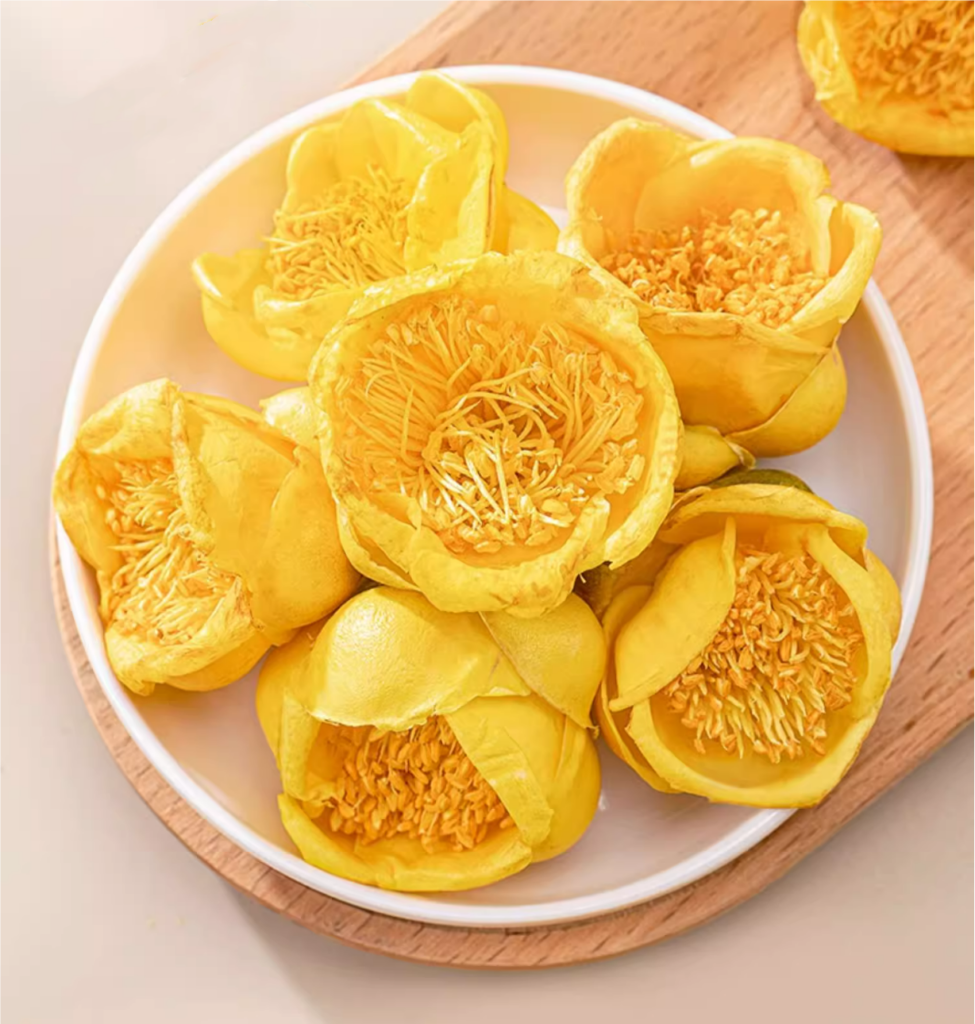
The natural golden tea is grown without fertilizer and pesticides, using the freshest flowers. It’s freeze-dried.
Golden flower tea is rich in nutrients and has a variety of functions and effects.
From a health point of view, the content of flavonoids in golden flower tea is high, such as up to about 440mg/kg, and the antioxidant capacity of this component is strong, about 10 times that of vitamin E. Flavonoids can effectively remove free radicals in the body, help delay aging, and have a positive effect on improving the skin condition, making the skin more shiny and elastic.
The content of tea polysaccharide in golden flower tea is about 1.8%. Tea polysaccharide plays an effective role in regulating blood sugar and blood lipids, which can help maintain the balance of blood sugar and blood lipids in the body, and has certain benefits in preventing chronic diseases such as diabetes and cardiovascular disease.
In terms of enhancing immunity, after drinking golden flower tea for a period of time, the content of human immunoglobulin can be increased by about 30%, which can help the body build a line of defense against germs and enhance the body’s resistance to disease.
From the spiritual level, the aroma of golden flower tea is light, quiet, and seems to be absent. When you smell this aroma, it seems that you can put yourself in a quiet mountain forest, reduce stress, relieve anxiety, heal the tired mind, and bring inner peace and relaxation. At the same time, when tasting the golden flower tea soup, the first bitter and then sweet taste can also make people learn to be tough in the bitter, and experience satisfaction in the sweet, thus giving people the courage to face the ups and downs of life.
In the vast river of life on earth, golden tea is like a golden star from ancient times, shining with a unique and mysterious light. As a “living fossil” in the plant world, it has witnessed the vicissitudes of time and has come leisurely from the age of dinosaurs, carrying the heavy history and rare value given by nature.
Golden flower tea grows in the south of the cloud shrouded mountains and valleys, in the elevation of 700 meters below the low hills, gully and other places. The climate is warm, the soil is acidic and rich in many minerals, and the environment is blessed to breed this unique treasure.
Its flowers seem to be the masterpiece of sunshine and time. The golden petals are delicate, silky and lustrous, as if polished by the hand of nature. Among the lush green leaves, the touch of gold is dazzling and dignified, like a fairy in fairyland, quietly exuding an otherworldly charm.
The breeze is blowing, and the fragrance of golden tea is quietly diffusing. This fragrance, like the curl of music through history, contains the quiet of the mountains, the freshness of the morning dew and the leisure of the breeze. Elegant and quiet, if there is nothing, gently lingering the tip of the nose, you can let the busy world in the heart instant find peace, like being in the quiet courtyard of ancient scholars, tea and scenery, forget the disturbance. In this curl of tea fragrance, fatigue and anxiety slowly dissipate like light smoke, leaving only inner peace and relief, as if it were a gentle soother of the soul, healing the daily trivialities and troubles.
Sipping the tea soup of golden flower tea, the initial bitter is just like the small bumps on the road of life, briefly passing the tip of the tongue. In a flash, the sweet alcohol is like nectar under the warm spring sun, overflowing the mouth, and the aftertaste is long. This first bitter and then sweet taste, just like the journey of life, after sharpening the harvest sweet and satisfied. Every mouthful of tea is like a dialogue with our own heart, learning to be tough when bitter, feeling joy when sweet, giving us the courage and strength to face the ups and downs of life.
In the past, golden flower tea was hidden among ancient books, poems and paintings, and was the exclusive tribute of the court, symbolizing the ultimate honor and elegance. Now, it crosses the historical barrier and comes to the public view. In a cup of golden tea, let us taste the wonderful gift of nature, feel the profound connotation of history and culture, comprehend the philosophical charm of life, and open a beautiful journey of blending body and mind with nature. Let the golden tea become the precious golden companion in your life, under its nourishment, regain the love and expectation of life, and embrace every hopeful new day.

Golden green tea
$35.90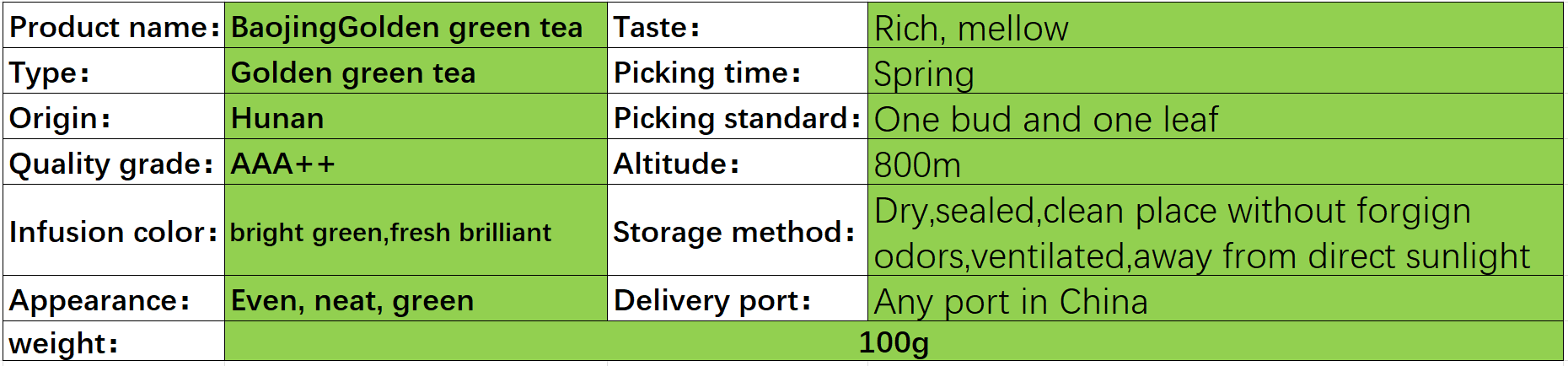
此茶树生长在北纬30度,位于中国两大绿茶“金三角”之一的武陵山脉中部,是富硒土壤、微生物发酵、植物亚麻酸的地带,此地带是茶树生长的黄金纬度带,常年云雾缭绕,雨水充沛,土壤肥沃,蕴藏天地之精华,汇聚万物之灵。
金茶名字的由来,是因为中国明朝皇帝饮茶,金茶产于湖南湘西,色泽金黄,故名金茶。
相传中国明朝(1539年)年间,官员路过此地,手下百余人染上了疟疾,一位中国苗族老奶奶采摘自家门前的老茶叶泡茶给他们喝,他们的瘴气很快就好了。官员当即用金条感谢老奶奶,并把茶上报为贡品。从此,“一金一茶”的美誉传遍天下。行走武陵山,有茶就有山,有茶就有传说、有故事。治瘴的老奶奶已成历史,但金茶的故事却永垂不朽。金村是金茶的发源地。这里的七座古茶园中,有明清以来的古茶树2057棵,最老的一棵茶树已有415年历史,是湖南省唯一的植物活体非物质文化遗产保护对象,被业内专家誉为“可以喝的文物”。
金丝茶早春茶氨基酸含量高(高达7.47%,是同期普通绿茶的两倍)、茶多酚含量高(约20%)、水浸出物含量高(近50%)、叶绿素含量高(比对照品种高50%以上)。色泽翠绿,香气浓郁,滋味鲜爽,回味甘甜,具有“绿、香、鲜、浓”的品质特点,被公认为“中国极品绿茶”。中国工程院院士、著名茶学学者刘中华教授说,金丝茶是大自然赐予人类舌尖的礼物,我从来没有见过氨基酸含量如此高的茶叶。”
金茶生长在武陵山脉的怀抱中,犹如仙境遗落,云雾轻柔地包裹着群山,如梦似幻,茶园位于海拔800米的净土之中,在昼夜温差、红砂岩土壤的滋养下,茶叶犹如被大自然宠坏的精灵,默默地积蓄着生命的能量与韵味。
其品质非凡,干茶条索紧实纤细,散发迷人金黄色光泽,细密的白毫犹如霜花。冲泡时,茶香顿时四溢,浓郁的清香中,交织着独特的花果香。轻啜一口,口感醇厚清新在舌尖舞动,悠长的回甘如泉涌,潺潺在心间。那高达7%的氨基酸,同时比绿茶美妙一倍,让每一口都像是与大自然的纯净对话,而20%的茶多酚,赋予它浓而不苦,耐人寻味的品质。
制作过程犹如一场精心编排的艺术舞蹈。从采摘时一芽一叶或一芽二叶的精细挑选,到萎凋时水份的温柔失散,杀青时的高温锁韵,捻成绳的巧思,再到晒干时水份的静静离去,香气的悠然升华。每一步都凝聚着茶人的心血与智慧。
在湘西土家苗寨,金茶早已融入生活脉络,在每一个节日的聚会,每一次庆贺的欢乐中,都是不可缺少的主角。亲朋好友围坐一圈,茶香袅袅,是热情与友情的传递,是生活的美好。它不仅仅是一杯茶,更是湘西文化的使者,带着这片土地的纯朴与深情,跨越山河,走向世界的舞台,让更多的心灵,在它的芬芳中,领略湘西的无限魅力。
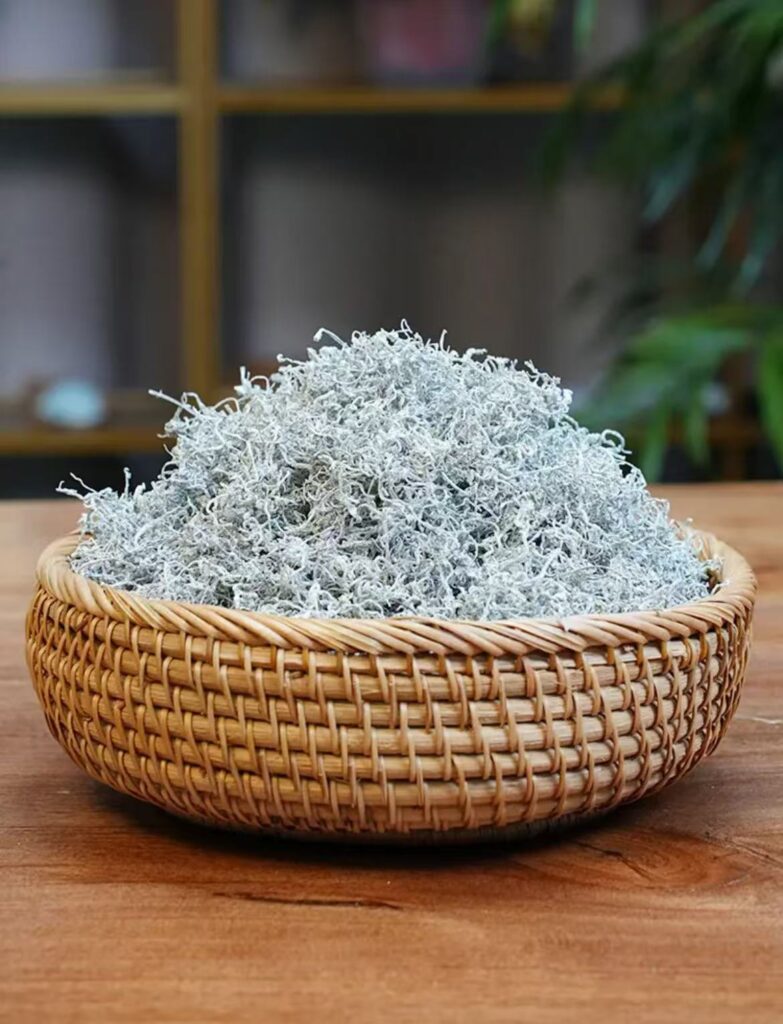
Vine (Tender leaf)tea
$29.90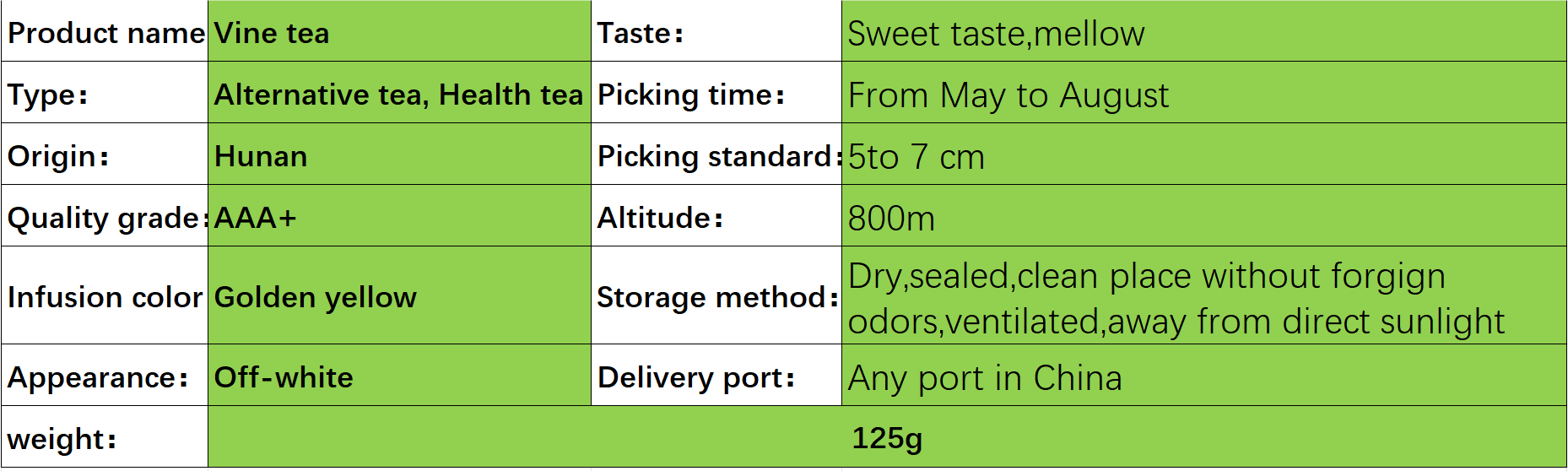
This tea uses the tender stems of fresh vine tea, which are 5-7 cm long, and this part contains the most abundant amino acids and trace elements! It is harvested from May to August.
Vine tea, the pharmaceutical name is “snake grape”, does not belong to the six major teas, is a perennial vine plant, can be used as medicine and food, known as the “king of flavonoids”. It grows near the mysterious latitude of 30° North, in the mountains of western Hunan, China, where the forest coverage is as high as 90% and the average annual temperature is about 16 ° C, providing an excellent growing environment for berry tea. In the kingdom of plants, berry tea is like a “armored” guard, proudly independent from the disturbance of pests. Berry tea plants are rich in flavonoids, which not only bring unique flavor and effect to berry tea, but also make insects detour with its bitter taste and special breath. Flavonoids such as dihydromyricetin in its components interfere with the physiological function of insects, so that they lose the courage and ability to chew in front of berry tea. This is why pesticides are not needed. Therefore, after the deep processing of this plant, we get a pure natural green pollution-free green drink.
Vine tea is rich in flavonoid compounds, with an average content of over 20%, far exceeding many common teas. Its dihydroflavonol content can reach about 30%, the high content of flavonoid substances endows vine tea with outstanding antioxidant and anti-inflammatory and antibacterial properties, which can effectively alleviate respiratory inflammation such as tonsillitis and tracheitis. Clinical trials have shown that the effective rate of alleviating sore throat symptoms caused by vine tea is over 80%, and long-term drinking can help enhance immunity and improve overall health levels of the human body.
From the tea garden to the cup, vine tea undergoes a carefully crafted journey. Tea farmers, with reverence for nature and adherence to traditional craftsmanship, use their nimble fingers to pick the freshest bud tips at the dawn of day. Spread out to dry, allowing the tea leaves to breathe and absorb newness leisurely on bamboo tray.
In the vast realm of tea, vine tea is like a solitary shining star, shining with its unique taste.
Upon tasting vine tea for the first time, a hint of bitter sweetness like a meteor streaking across the tip of the tongue is fleeting, leaving one no time to savor it before being swiftly engulfed by the ensuing tide of sweetness. This sweetness is not as straightforward and monotonous as some sweet teas, but rather like an unfolding landscape painting, with layers of mountains and peaks containing endless richness and depth. There is the hazy moisture of the morning mist in the forest, the faintly bitter green of moss on the cliff, and the rich and fragrant essence of wild fruits nourished by sunshine and rain, all intertwined and woven together, playing a moving symphony in the mouth.
Compared with black tea, whose taste resembles that of a sophisticated noblewoman, its sweetness and richness are as smooth and dense as velvet, lasting long, vine tea’s sweetness is like the agile mountain spirits, with a fresh and lively touch, and a hint of wildness; the taste of green tea is like the fresh willows in the spring breeze, with a fresh and delicate fragrance, while compared with it, vine tea has a stronger contrast between bitterness and sweetness and a more powerful momentum, like the sudden surge of waves on a calm lake, instantly igniting the passion of the palate. Looking at oolong tea, its fragrance is multifaceted, and its taste is like a mysterious magic box, with a surprise at every bite, but vine tea’s decisive transition from initial bitterness to sweetness, like a swift cut through tangled threads, is clean and unhesitating, engraving itself in the depths of the drinker’s memory in an ultimate and pure way.
With its unique taste, vine tea dominates one corner of the tea kingdom, attracting countless tea lovers to explore its wonders and charm. Every taste is a close encounter with nature and unique taste.
Vine tea(sprout)
$36.90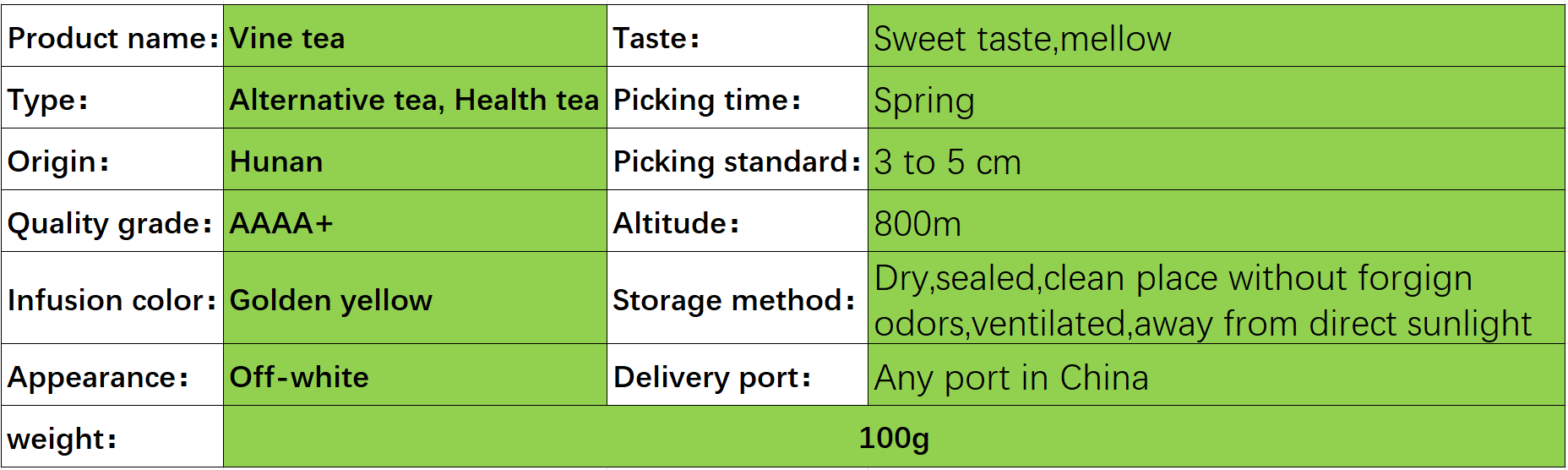
This is made from the buds of vine tea. After dormancy, the first buds of vine tea sprout in spring. The contents of flavonoids, dihydromyricetin, selenium, amino acids, potassium, calcium, iron and zinc are the highest, and the taste is fresh, tender and rich in nutrition. The annual picking cycle is only about 7 days in the spring.
Vine tea, the pharmaceutical name is “snake grape”, does not belong to the six major teas, is a perennial vine plant, can be used as medicine and food, known as the “king of flavonoids”. It grows near the mysterious latitude of 30° North, in the mountains of western Hunan, China, where the forest coverage is as high as 90% and the average annual temperature is about 16 ° C, providing an excellent growing environment for berry tea. In the kingdom of plants, berry tea is like a “armored” guard, proudly independent from the disturbance of pests. Berry tea plants are rich in flavonoids, which not only bring unique flavor and effect to berry tea, but also make insects detour with its bitter taste and special breath. Flavonoids such as dihydromyricetin in its components interfere with the physiological function of insects, so that they lose the courage and ability to chew in front of berry tea. This is why pesticides are not needed. Therefore, after the deep processing of this plant, we get a pure natural green pollution-free green drink.
Vine tea is rich in flavonoid compounds, with an average content of over 20%, far exceeding many common teas. Its dihydroflavonol content can reach about 30%, the high content of flavonoid substances endows vine tea with outstanding antioxidant and anti-inflammatory and antibacterial properties, which can effectively alleviate respiratory inflammation such as tonsillitis and tracheitis. Clinical trials have shown that the effective rate of alleviating sore throat symptoms caused by vine tea is over 80%, and long-term drinking can help enhance immunity and improve overall health levels of the human body.
From the tea garden to the cup, vine tea undergoes a carefully crafted journey. Tea farmers, with reverence for nature and adherence to traditional craftsmanship, use their nimble fingers to pick the freshest bud tips at the dawn of day. Spread out to dry, allowing the tea leaves to breathe and absorb newness leisurely on bamboo tray.
In the vast realm of tea, vine tea is like a solitary shining star, shining with its unique taste.
Upon tasting vine tea for the first time, a hint of bitter sweetness like a meteor streaking across the tip of the tongue is fleeting, leaving one no time to savor it before being swiftly engulfed by the ensuing tide of sweetness. This sweetness is not as straightforward and monotonous as some sweet teas, but rather like an unfolding landscape painting, with layers of mountains and peaks containing endless richness and depth. There is the hazy moisture of the morning mist in the forest, the faintly bitter green of moss on the cliff, and the rich and fragrant essence of wild fruits nourished by sunshine and rain, all intertwined and woven together, playing a moving symphony in the mouth.
Compared with black tea, whose taste resembles that of a sophisticated noblewoman, its sweetness and richness are as smooth and dense as velvet, lasting long, vine tea’s sweetness is like the agile mountain spirits, with a fresh and lively touch, and a hint of wildness; the taste of green tea is like the fresh willows in the spring breeze, with a fresh and delicate fragrance, while compared with it, vine tea has a stronger contrast between bitterness and sweetness and a more powerful momentum, like the sudden surge of waves on a calm lake, instantly igniting the passion of the palate. Looking at oolong tea, its fragrance is multifaceted, and its taste is like a mysterious magic box, with a surprise at every bite, but vine tea’s decisive transition from initial bitterness to sweetness, like a swift cut through tangled threads, is clean and unhesitating, engraving itself in the depths of the drinker’s memory in an ultimate and pure way.
With its unique taste, vine tea dominates one corner of the tea kingdom, attracting countless tea lovers to explore its wonders and charm. Every taste is a close encounter with nature and unique taste.
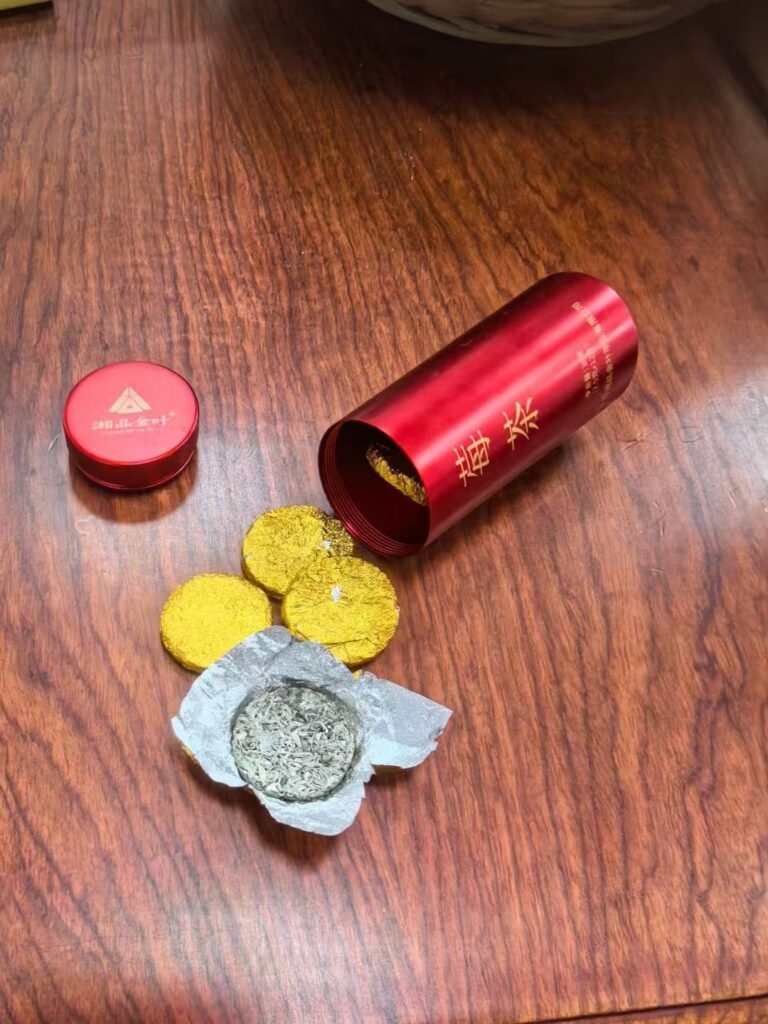
Vine tea(Tea cake)
$75.90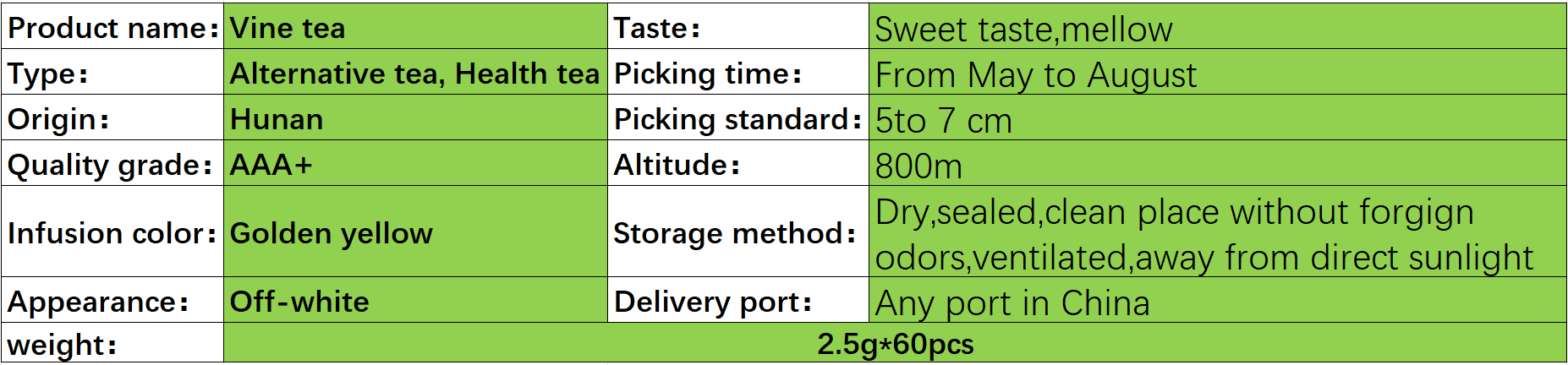
This tea uses the tender stems of fresh vine tea, which are 5-7 cm long, and this part contains the most abundant amino acids and trace elements! It is harvested from May to August.
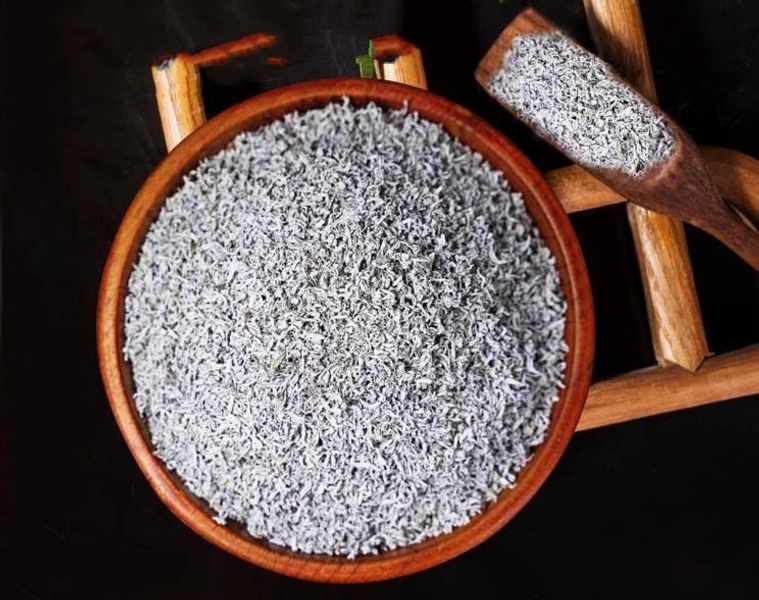
This vine tea is made into small cakes, easy to carry and make tea. The outer box comes in a gift box.
Vine tea, the pharmaceutical name is “snake grape”, does not belong to the six major teas, is a perennial vine plant, can be used as medicine and food, known as the “king of flavonoids”. It grows near the mysterious latitude of 30° North, in the mountains of western Hunan, China, where the forest coverage is as high as 90% and the average annual temperature is about 16 ° C, providing an excellent growing environment for berry tea. In the kingdom of plants, berry tea is like a “armored” guard, proudly independent from the disturbance of pests. Berry tea plants are rich in flavonoids, which not only bring unique flavor and effect to berry tea, but also make insects detour with its bitter taste and special breath. Flavonoids such as dihydromyricetin in its components interfere with the physiological function of insects, so that they lose the courage and ability to chew in front of berry tea. This is why pesticides are not needed. Therefore, after the deep processing of this plant, we get a pure natural green pollution-free green drink.
Vine tea is rich in flavonoid compounds, with an average content of over 20%, far exceeding many common teas. Its dihydroflavonol content can reach about 30%, the high content of flavonoid substances endows vine tea with outstanding antioxidant and anti-inflammatory and antibacterial properties, which can effectively alleviate respiratory inflammation such as tonsillitis and tracheitis. Clinical trials have shown that the effective rate of alleviating sore throat symptoms caused by vine tea is over 80%, and long-term drinking can help enhance immunity and improve overall health levels of the human body.
From the tea garden to the cup, vine tea undergoes a carefully crafted journey. Tea farmers, with reverence for nature and adherence to traditional craftsmanship, use their nimble fingers to pick the freshest bud tips at the dawn of day. Spread out to dry, allowing the tea leaves to breathe and absorb newness leisurely on bamboo tray.
In the vast realm of tea, vine tea is like a solitary shining star, shining with its unique taste.
Upon tasting vine tea for the first time, a hint of bitter sweetness like a meteor streaking across the tip of the tongue is fleeting, leaving one no time to savor it before being swiftly engulfed by the ensuing tide of sweetness. This sweetness is not as straightforward and monotonous as some sweet teas, but rather like an unfolding landscape painting, with layers of mountains and peaks containing endless richness and depth. There is the hazy moisture of the morning mist in the forest, the faintly bitter green of moss on the cliff, and the rich and fragrant essence of wild fruits nourished by sunshine and rain, all intertwined and woven together, playing a moving symphony in the mouth.
Compared with black tea, whose taste resembles that of a sophisticated noblewoman, its sweetness and richness are as smooth and dense as velvet, lasting long, vine tea’s sweetness is like the agile mountain spirits, with a fresh and lively touch, and a hint of wildness; the taste of green tea is like the fresh willows in the spring breeze, with a fresh and delicate fragrance, while compared with it, vine tea has a stronger contrast between bitterness and sweetness and a more powerful momentum, like the sudden surge of waves on a calm lake, instantly igniting the passion of the palate. Looking at oolong tea, its fragrance is multifaceted, and its taste is like a mysterious magic box, with a surprise at every bite, but vine tea’s decisive transition from initial bitterness to sweetness, like a swift cut through tangled threads, is clean and unhesitating, engraving itself in the depths of the drinker’s memory in an ultimate and pure way.
With its unique taste, vine tea dominates one corner of the tea kingdom, attracting countless tea lovers to explore its wonders and charm. Every taste is a close encounter with nature and unique taste.
Vine tea(teabag)
$11.90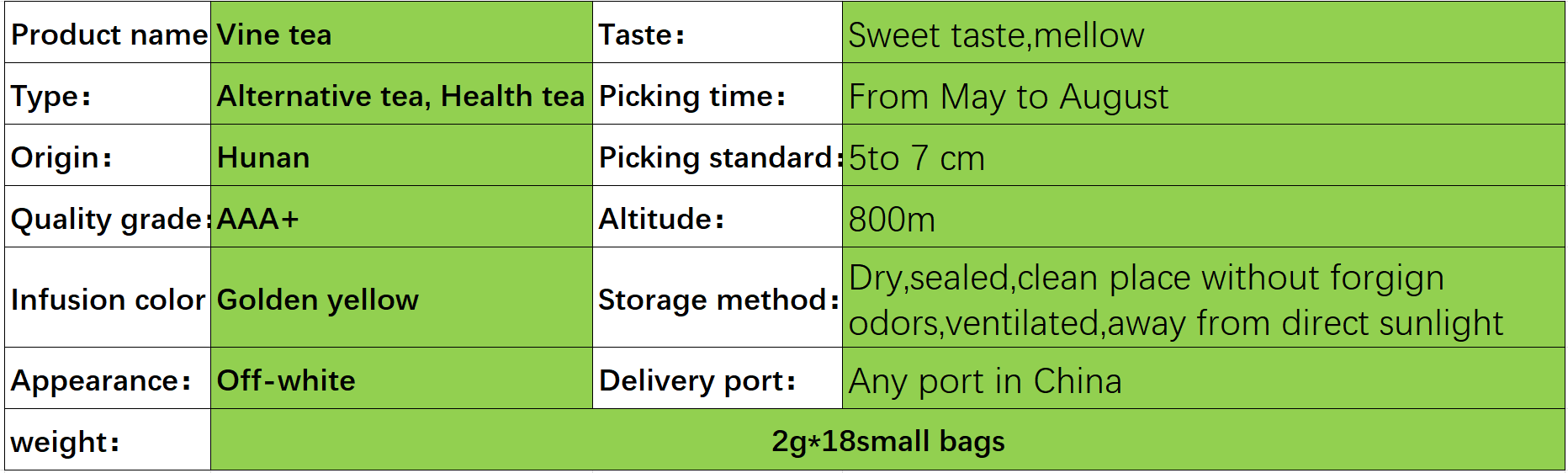
This tea uses the tender stems of fresh vine tea, which are 5-7 cm long, and this part contains the most abundant amino acids and trace elements! It is harvested from May to August.
Vine tea, the pharmaceutical name is “snake grape”, does not belong to the six major teas, is a perennial vine plant, can be used as medicine and food, known as the “king of flavonoids”. It grows near the mysterious latitude of 30° North, in the mountains of western Hunan, China, where the forest coverage is as high as 90% and the average annual temperature is about 16 ° C, providing an excellent growing environment for berry tea. In the kingdom of plants, berry tea is like a “armored” guard, proudly independent from the disturbance of pests. Berry tea plants are rich in flavonoids, which not only bring unique flavor and effect to berry tea, but also make insects detour with its bitter taste and special breath. Flavonoids such as dihydromyricetin in its components interfere with the physiological function of insects, so that they lose the courage and ability to chew in front of berry tea. This is why pesticides are not needed. Therefore, after the deep processing of this plant, we get a pure natural green pollution-free green drink.
Vine tea is rich in flavonoid compounds, with an average content of over 20%, far exceeding many common teas. Its dihydroflavonol content can reach about 30%, the high content of flavonoid substances endows vine tea with outstanding antioxidant and anti-inflammatory and antibacterial properties, which can effectively alleviate respiratory inflammation such as tonsillitis and tracheitis. Clinical trials have shown that the effective rate of alleviating sore throat symptoms caused by vine tea is over 80%, and long-term drinking can help enhance immunity and improve overall health levels of the human body.
From the tea garden to the cup, vine tea undergoes a carefully crafted journey. Tea farmers, with reverence for nature and adherence to traditional craftsmanship, use their nimble fingers to pick the freshest bud tips at the dawn of day. Spread out to dry, allowing the tea leaves to breathe and absorb newness leisurely on bamboo tray.
In the vast realm of tea, vine tea is like a solitary shining star, shining with its unique taste.
Upon tasting vine tea for the first time, a hint of bitter sweetness like a meteor streaking across the tip of the tongue is fleeting, leaving one no time to savor it before being swiftly engulfed by the ensuing tide of sweetness. This sweetness is not as straightforward and monotonous as some sweet teas, but rather like an unfolding landscape painting, with layers of mountains and peaks containing endless richness and depth. There is the hazy moisture of the morning mist in the forest, the faintly bitter green of moss on the cliff, and the rich and fragrant essence of wild fruits nourished by sunshine and rain, all intertwined and woven together, playing a moving symphony in the mouth.
Compared with black tea, whose taste resembles that of a sophisticated noblewoman, its sweetness and richness are as smooth and dense as velvet, lasting long, vine tea’s sweetness is like the agile mountain spirits, with a fresh and lively touch, and a hint of wildness; the taste of green tea is like the fresh willows in the spring breeze, with a fresh and delicate fragrance, while compared with it, vine tea has a stronger contrast between bitterness and sweetness and a more powerful momentum, like the sudden surge of waves on a calm lake, instantly igniting the passion of the palate. Looking at oolong tea, its fragrance is multifaceted, and its taste is like a mysterious magic box, with a surprise at every bite, but vine tea’s decisive transition from initial bitterness to sweetness, like a swift cut through tangled threads, is clean and unhesitating, engraving itself in the depths of the drinker’s memory in an ultimate and pure way.
With its unique taste, vine tea dominates one corner of the tea kingdom, attracting countless tea lovers to explore its wonders and charm. Every taste is a close encounter with nature and unique taste.